The Memory of Wood.
The Expertise of a Region.

A museum where wood tells stories

Housed in the Vilela Monastery, the Museu do Mobiliário de Paredes was established to preserve, promote, and transmit an identity deeply connected to wood.

By bringing together artisanal know-how, industrial memory, and contemporary creativity, the museum gives new recognition to the Wood Arts of Paredes, a heritage built over generations.

What the Museum Preserves

01. Know-how

Techniques, gestures, and processes related to woodworking.

02. Memory
The history of a municipality deeply connected to furniture.
03. Artisans
The individuals who keep the Wood Arts of Paredes alive.
04. The Region
A collective identity built among workshops, factories, families, and community.

The Vilela Monastery

A Heritage Site Embracing a New Mission

The Museu do Mobiliário de Paredes is located in the Vilela Monastery, a heritage site whose origins date back to the second half of the 10th century.

The Monastery’s antiquity is proven by the “Charter of Donation,” dated December 4, 1010, considered the oldest document preserved in the archives of the National Library. Over the centuries, the building served as a religious space, a civil residence, and later, property acquired by the Municipality of Paredes.

Today, rehabilitated for cultural functions, it houses the Museu do Mobiliário de Paredes and gives new life to the memory of the region.

A History Made of Different Eras

10th Century
First references to the existence of the Vilela Monastery.
1010
The “Charter of Donation,” preserved in the National Library, proves the Monastery’s antiquity.
1128

Queen Teresa grants a charter of couto to the Monastery.

1834
With the dissolution of the religious orders in Portugal, the monks permanently left the Monastery.
1842
The building is sold at public auction to Joaquim António de Seabra, a Portuguese emigrant who returned from Brazil, and is adapted for civil habitation.
2006
The built complex is acquired by the Paredes City Council.
Today
The Monastery houses the Museu do Mobiliário de Paredes, giving new cultural life to the heritage site.

The Architecture that Inspires the Museum

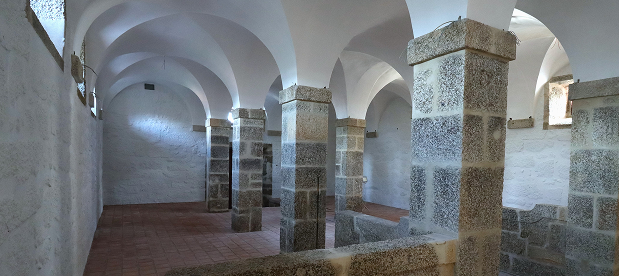
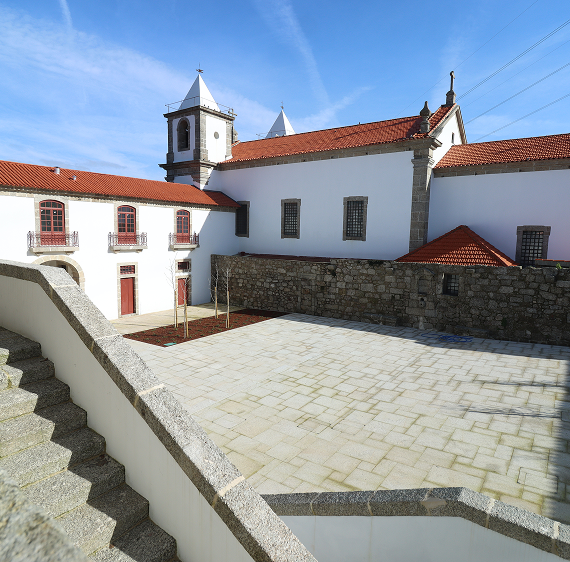
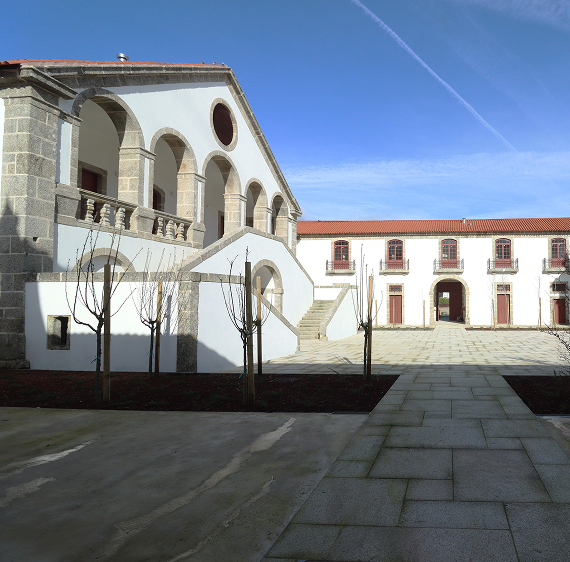
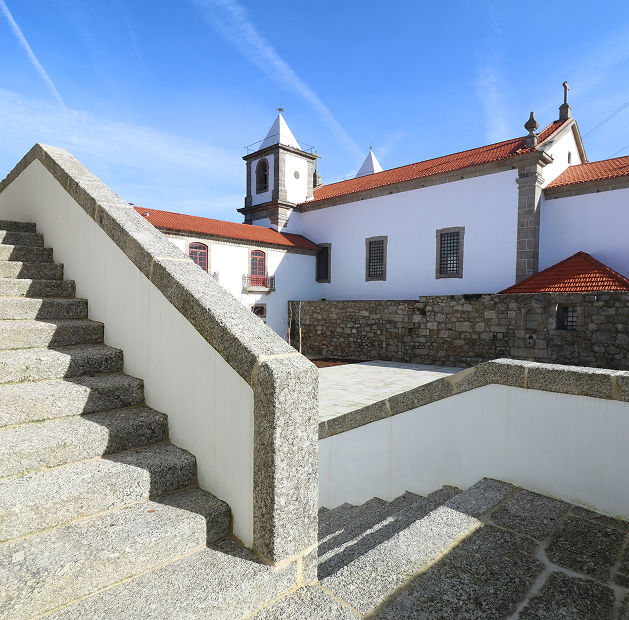
The architecture of the Vilela Monastery is a central part of the visual identity of the Museu do Mobiliário de Paredes. The complex is developed around a quadrangular courtyard, with three wings, two floors, and a large enclosure, now adapted for cultural functions.

The Church of Santo Estêvão de Vilela is distinguished by its facade, topped by a triangular pediment and flanked by bell towers. Inside, the chancel features a painted carved wood altarpiece, showing classical influence.

Among the most striking elements of the complex are the semicircular arches of the arcaded balcony, one of the most recognizable images of the Monastery and a major visual inspiration for the Museum.

Wood in the Monastery

The presence of wood is not only revealed in the exhibited pieces. It is also found in the building’s construction itself, in the architectural solutions, and in the elements recovered during the Monastery’s rehabilitation.
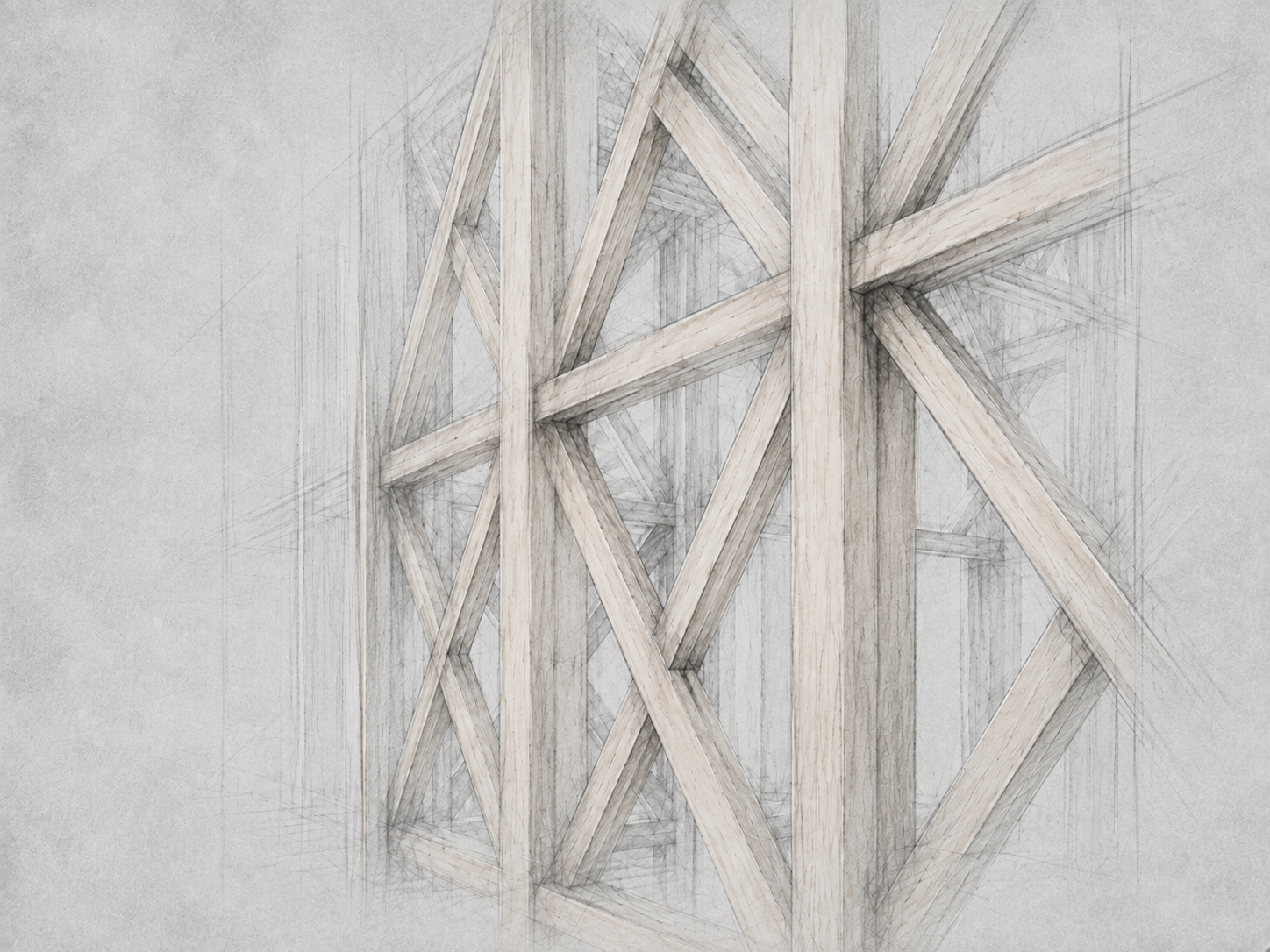
Trusses
Wooden structures that support the roof and reveal the mastery of traditional carpentry.
Ceilings
Wooden ceilings that combine aesthetic function, insulation, and constructive memory.
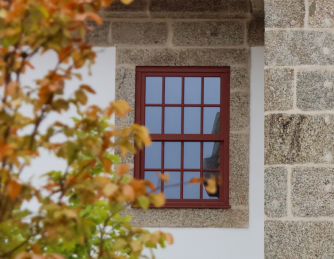
Sash Windows

Wooden solutions that marked civil architecture and the way spaces were lit and ventilated.

Pombaline Cage
Internal wooden structure, associated with the protection and stability of buildings.

A Commitment to the Region

The enhancement of the Vilela Monastery and the Wood Arts of Paredes is part of a broader journey of preservation, certification, and cultural development of the region.

Discover the faces that shape this story

Meet the artisans, workshops, and companies that preserve, reinvent, and promote the Wood Arts of Paredes.

Mon. to Friday 9:00 AM – 12:30 PM | 2:00 PM – 5:30 PM
Saturday 10:00 AM – 12:30 PM | 2:30 PM – 5:00 PM

Privacy Overview

This website uses cookies so that we can provide you with the best user experience possible. Cookie information is stored in your browser and performs functions such as recognising you when you return to our website and helping our team to understand which sections of the website you find most interesting and useful.
Strictly Necessary Cookies

Strictly Necessary Cookie should be enabled at all times so that we can save your preferences for cookie settings.